
How to Change HVAC Filters: A 2026 Homeowner Guide
You should generally perform an HVAC filter replacement every 90 days for standard 1-inch pleated filters. However, homes with pets, residents with allergies, or systems running constantly during peak summer or winter months should change filters every 30 to 60 days to prevent equipment strain and maintain indoor air quality.
How often should you change your HVAC filter?
Determining the exact frequency for changing your filter depends on several environmental and lifestyle factors. While the "90-day rule" is a common benchmark, it is rarely a one-size-fits-all solution for the modern homeowner. If you live in a high-traffic area like Sacramento, CA or Roseville, CA , outdoor pollutants and seasonal allergens can significantly shorten the lifespan of your filter.
To keep your system running at peak performance, consider these common timelines:
- Vacation homes or single occupants: Every 6 to 12 months.
- Typical suburban home without pets: Every 90 days.
- Homes with one dog or cat: Every 60 days.
- Multiple pets or allergy sufferers: Every 30 to 45 days.
- During peak heating or cooling seasons: Every 30 days.
Factors Affecting Your Filter Life
It isn't just time that dictates when an HVAC filter replacement is necessary. The environment inside and outside your home plays a massive role in how quickly debris builds up. If you are undergoing a home renovation, for example, the drywall dust and sawdust will clog a brand-new filter in a matter of days. Similarly, if you live in an area prone to wildfires or high pollen counts, your filter is working overtime to scrub those particles from your breathing air.
Another factor is the type of filter you use. Thin, fiberglass filters are designed to protect the equipment from large debris but do very little for air quality and need frequent swapping. High-efficiency pleated filters have more surface area to trap particles but can also restrict airflow more quickly once they become saturated. Balancing these factors is a key part of routine AC maintenance .
What happens if you don't change your air filter?
Ignoring your air filter is one of the fastest ways to damage your heating and cooling system. When a filter becomes clogged, it acts like a wall, forcing your blower motor to work significantly harder to pull air through the restricted material. This extra work translates directly into higher utility bills and premature wear and tear on sensitive mechanical components.
Beyond the mechanical strain, a dirty filter eventually stops catching pollutants. Once the filter is full, "blow-by" occurs, where unfiltered air bypasses the edges of the filter, carrying dust, pet dander, and mold spores directly into your ductwork and onto your evaporator coils. This can lead to the need for professional AC repair to clean the internal components that the filter was supposed to protect.
Serious Issues Caused by Dirty Filters
The consequences of a neglected filter range from minor annoyances to catastrophic system failures. Understanding these risks can help you prioritize this simple maintenance task. In regions like Folsom, CA or El Dorado Hills, CA , where temperatures can soar, a failing HVAC system in the middle of July is more than just an inconvenience; it is a safety hazard.
Frozen Evaporator Coils
One of the most common issues we see during system diagnostics is a frozen air conditioner. It might seem counterintuitive that a dirty filter could cause your unit to freeze, but the science is simple. Your AC works by blowing warm indoor air over cold evaporator coils. The coils absorb the heat, cooling the air. If the filter is clogged, there isn't enough warm air flowing over the coils to keep them from dropping below freezing temperatures. Condensation on the coils quickly turns to ice, eventually encasing the entire unit and shutting down the cooling process entirely.
Cracked Heat Exchangers
During the winter, a dirty filter is just as dangerous for your furnace. If airflow is restricted, the heat exchanger—the component that gets hot to warm your air—can overheat. Constant overheating causes the metal to expand and contract excessively, eventually leading to cracks. A cracked heat exchanger is a major safety concern because it can leak carbon monoxide into your home, often requiring immediate furnace repairs or even a full furnace replacement .
Shortened System Lifespan
An HVAC system is a significant investment for any homeowner. Most systems are designed to last 15 to 20 years, but that lifespan assumes proper care. When a system is forced to run longer cycles at higher temperatures due to a dirty filter, the components reach their "end of life" much faster. The blower motor is usually the first to go, followed by the compressor. Frequent heating repairs are often a sign that the system has been struggling against restricted airflow for years.
How can I tell if my HVAC filter is dirty?
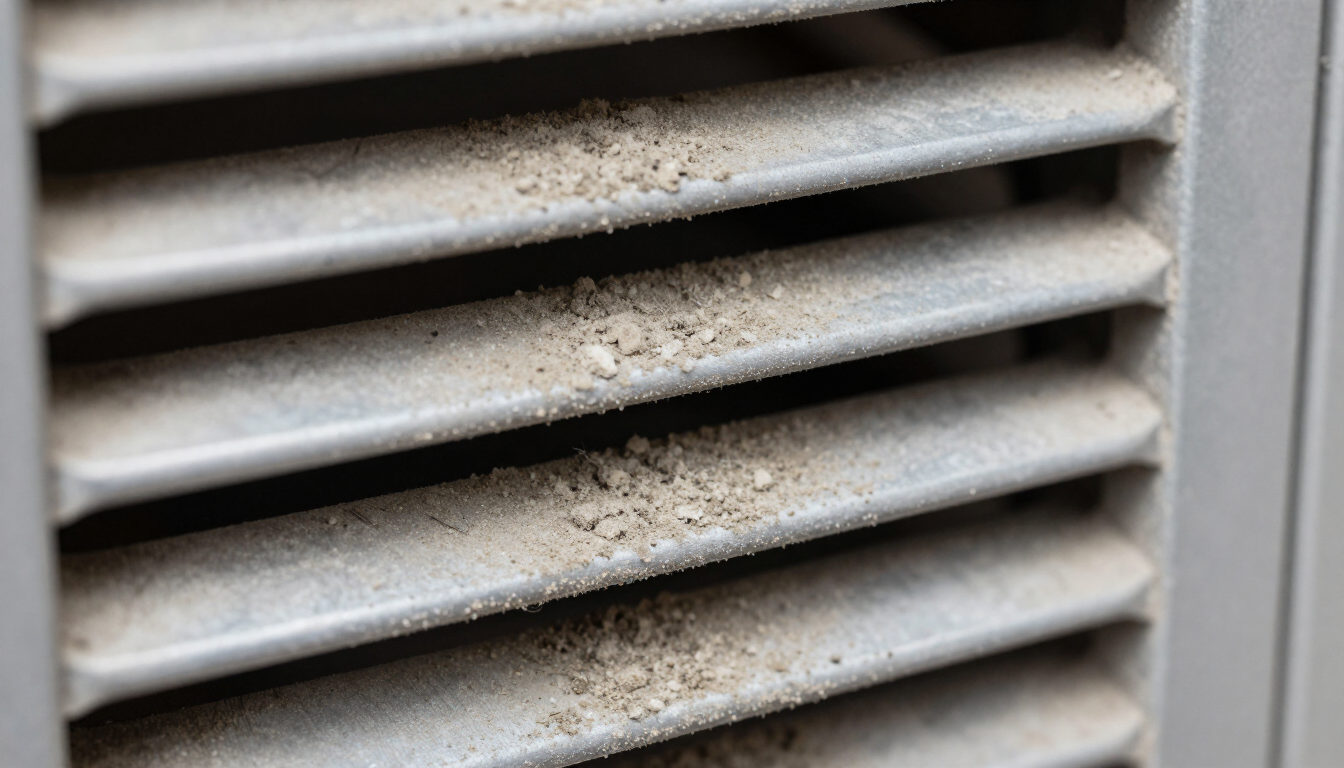
You don't always have to wait for the 90-day mark to check your filter. There are several physical signs that your home is struggling with poor filtration. If you notice any of the following, it is time to check the intake vent:
- Visible Dust Near Vents: If you see "ghosting" or dark streaks on the ceiling or walls near your supply registers.
- Increased Allergy Symptoms: Frequent sneezing, itchy eyes, or respiratory issues when the HVAC is running.
- Higher Energy Bills: A sudden, unexplained spike in your monthly utility costs.
- Longer Cycles: The AC or furnace stays on for a long time but never seems to reach the thermostat setting.
- The White Sheet Test: Hang a white sheet near a return vent for an hour; if it turns grey, your filter is failing.
Choosing the Right Filter for Your Home
Not all filters are created equal. When you head to the hardware store, you will be met with a variety of options, usually categorized by their MERV (Minimum Efficiency Reporting Value) rating. Choosing the right one is a balance between air purity and system compatibility. If you are unsure which rating your system can handle, it is best to consult with an HVAC contractor during your next tune-up.
Understanding MERV Ratings
MERV ratings typically range from 1 to 16 for residential use. A higher number means the filter can trap smaller particles, but it also means the material is denser and harder to push air through.
- MERV 1-4: Basic protection against lint and large dust; minimal air quality benefits.
- MERV 5-8: Standard residential choice; traps mold spores, hairspray, and dust mites.
- MERV 9-12: High-efficiency; captures lead dust, auto emissions, and fine bacteria.
- MERV 13-16: Hospital-grade; captures viruses and smoke; may require system modifications.
Most modern residential systems are designed to handle up to a MERV 8 or 11. Going higher without checking your blower motor's capacity can lead to the same airflow issues as a dirty filter. If you live in a high-pollen area like Napa, CA or Davis, CA , a MERV 11 filter is often the sweet spot for health and performance.
The Professional Maintenance Advantage
While changing a filter is a DIY task, it is only one part of comprehensive furnace maintenance . A professional technician does more than just swap a filter; they inspect the entire system for signs of wear that a homeowner might miss. For example, they can check the static pressure of your ductwork to ensure that even with a clean filter, your ducting replacement and design is providing adequate airflow to every room.
If you find that your filters are getting dirty extremely fast—say every two weeks—there may be an underlying issue with your ventilation or leaky ducts pulling in attic dust. Professionals in Elk Grove, CA or Vacaville, CA can use diagnostic tools to find these leaks, saving you money on filters and energy in the long run.
Simple Steps for HVAC Filter Replacement
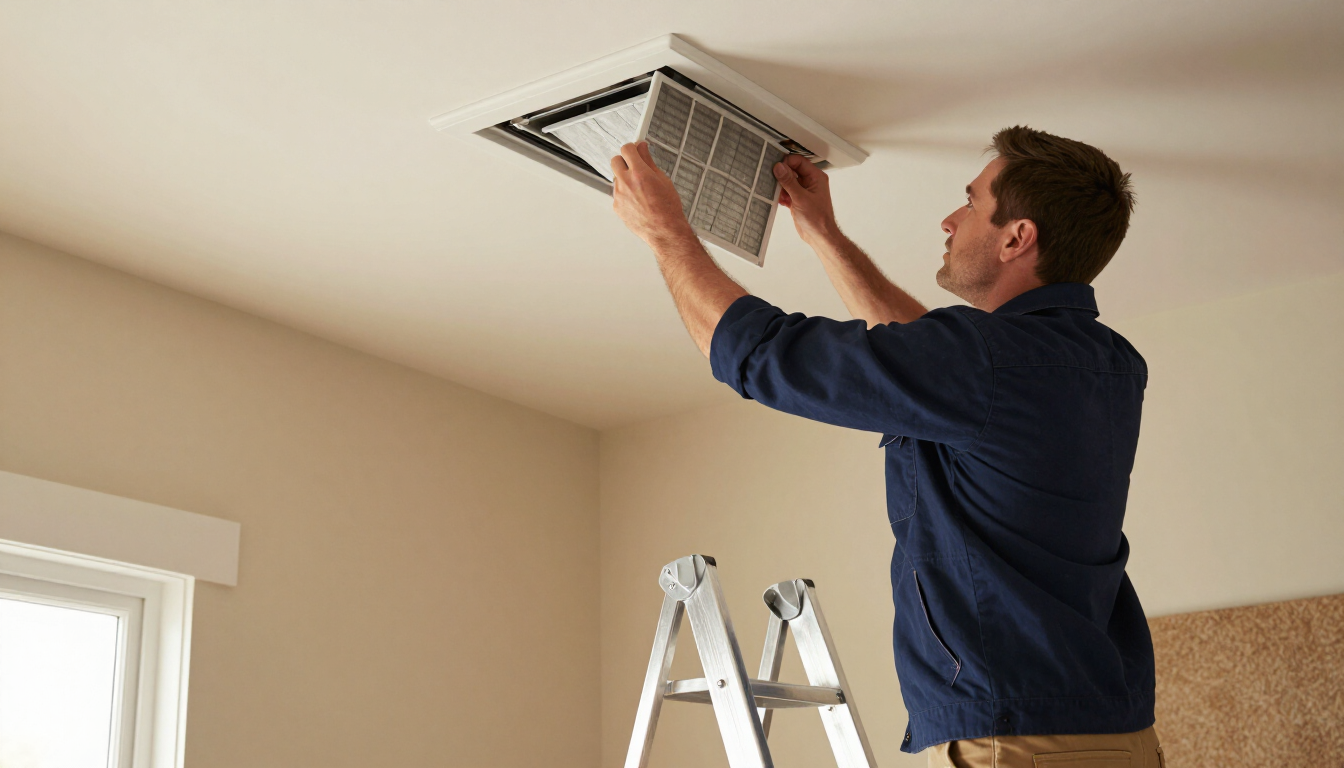
Replacing your filter is a straightforward process that takes less than five minutes. First, turn off your HVAC system at the thermostat to ensure the fan isn't running. Locate your filter slot, which is usually found in a return air grille on the wall or ceiling, or inside the furnace cabinet itself. Remove the old filter and note the size printed on the side—you must replace it with the exact same dimensions to prevent air bypass.
When inserting the new filter, look for the "Airflow Arrow" printed on the frame. This arrow must point toward the furnace or air handler, not toward the room. A backwards filter will restrict airflow and be less effective at trapping debris. Once installed, secure the cover and turn your system back on. It is a good practice to write the date of installation on the edge of the filter frame with a permanent marker so you never have to guess when it was last changed.
Conclusion: Keeping Your System Healthy
Regularly changing your HVAC filter is the simplest and most cost-effective way to protect your home’s comfort and your family’s health. By sticking to a 60-to-90-day schedule, you prevent unnecessary strain on your equipment, lower your monthly energy costs, and ensure the air you breathe is free of common allergens and dust. If you notice your system is struggling even after a filter change, it may be time for a professional evaluation.
Key Takeaways for Homeowners:
- Change filters every 90 days, or every 30 days if you have pets or allergies.
- Clogged filters lead to frozen coils, higher bills, and potential system failure.
- Always check the MERV rating to ensure it is compatible with your specific HVAC unit.
- If symptoms like poor airflow persist, schedule system diagnostics immediately.
- Routine maintenance is the best way to extend the life of your furnace and air conditioner.
Whether you need a quick tune-up in Woodland, CA or a complex mini-split installation , staying proactive with your filters is the first step toward a worry-free home environment. Don't wait for your system to break down—check your filter today!
Recent Posts