
7 HVAC Winter Prep Tips to Stay Warm in 2026
HVAC winter prep helps Woodland homeowners improve heating reliability, comfort, and safety before colder weather arrives. Start by replacing the air filter, checking airflow, clearing the furnace area, testing controls, and scheduling professional maintenance. Early preparation can reveal worn parts before a heating failure becomes an emergency.
Why should Woodland homeowners prepare HVAC systems for winter?
Although Woodland winters are generally moderate, cool nights still place regular demand on your furnace or heat pump. A system that sat unused through much of the year may have a clogged filter, restricted airflow, dusty components, or a control problem.
Winter preparation can help you:
- Reduce the chance of unexpected heating repairs
- Improve indoor comfort from room to room
- Support more efficient system operation
- Identify safety concerns early
- Extend the useful life of heating equipment
For help identifying a problem, consider professional system diagnostics for AC and heating units .
1. Replace the HVAC filter
A dirty filter makes the blower work harder and can reduce airflow through the home. Check your filter before the first sustained cold spell and replace it if it is visibly dirty. Many standard filters need replacement every one to three months, but homes with pets, allergies, or remodeling dust may need more frequent changes.
Install the correct size and make sure the airflow arrow points toward the furnace or air handler. Avoid choosing an unusually restrictive filter unless your system is designed to handle it.
2. Check vents, returns, and airflow
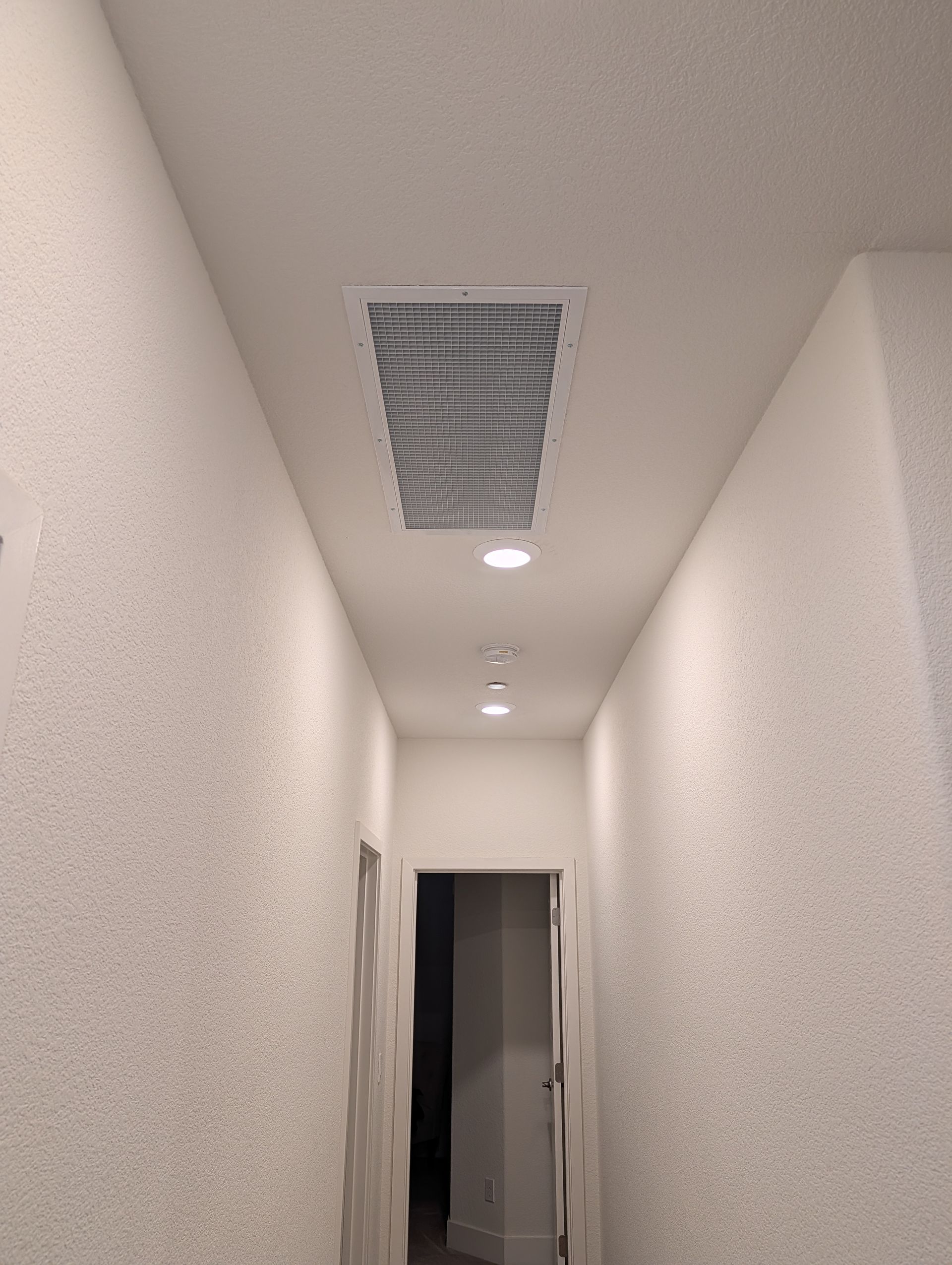
Walk through each room and confirm that supply registers are open and unobstructed. Furniture, rugs, curtains, and storage boxes can block air. Also check return grilles, which need clear space to pull air back into the system.
Uneven temperatures, weak airflow, whistling, or excessive dust may indicate duct leaks, blocked ducts, or an equipment issue. If airflow remains poor after clearing vents and replacing the filter, arrange an inspection rather than repeatedly adjusting the thermostat.
What should a furnace inspection include?
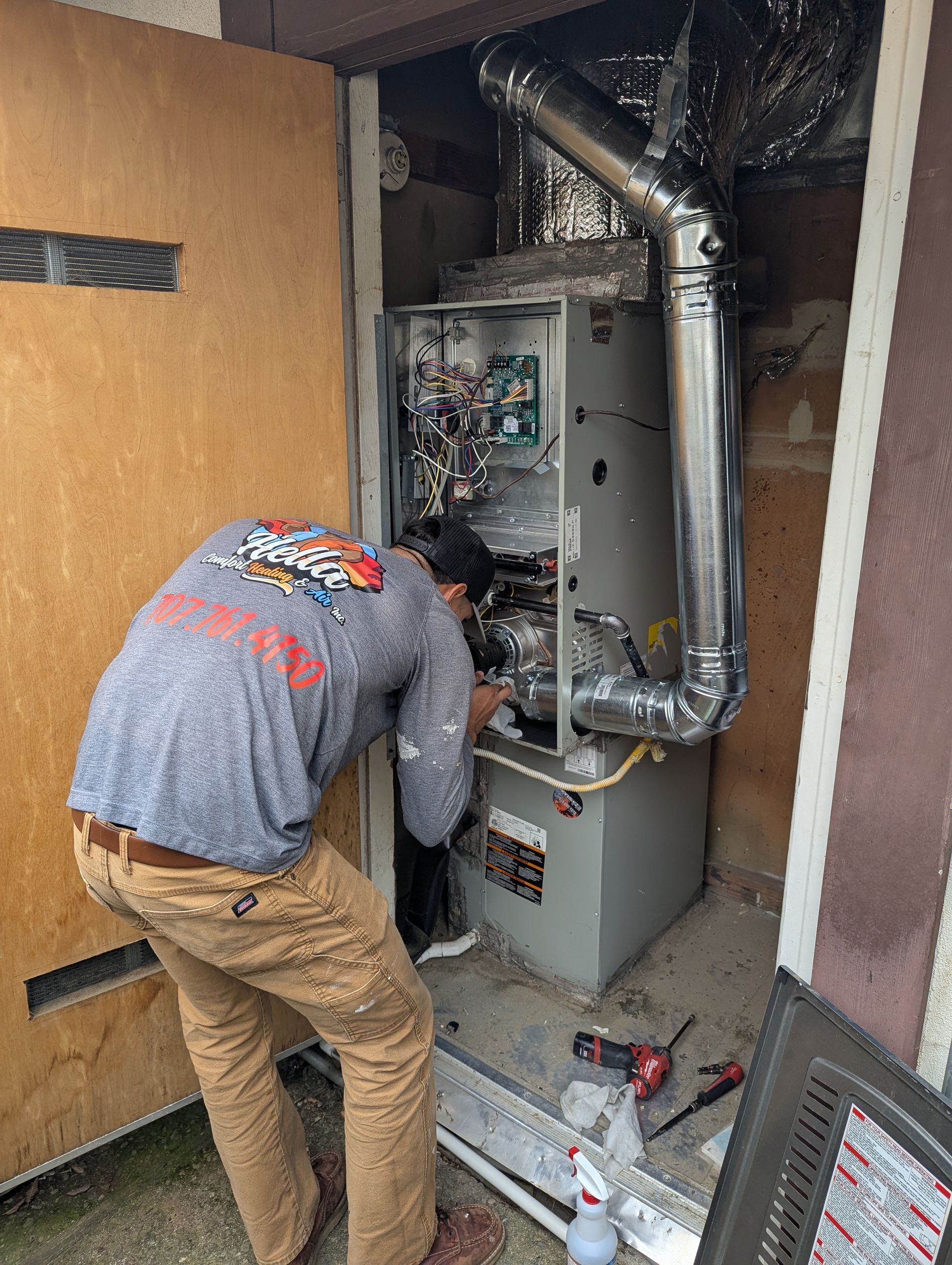
Professional furnace maintenance typically includes a visual and operational review of major heating components. A qualified technician may inspect:
- Electrical connections, controls, and safety switches
- The blower motor, belt, and moving parts
- Burner operation and ignition components
- Heat exchanger condition
- Flue or venting connections
- Thermostat performance and temperature response
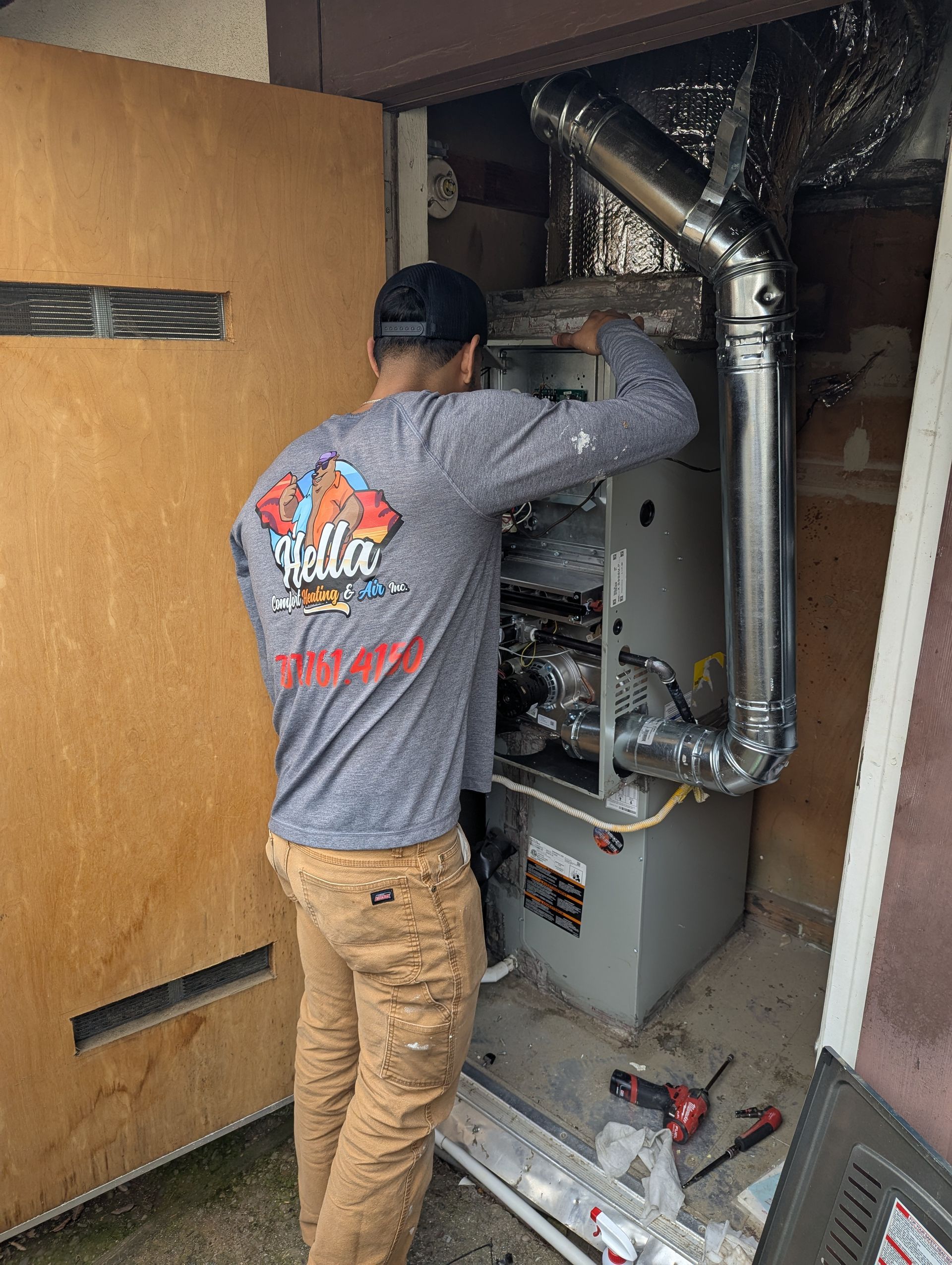
Do not remove safety panels or attempt to repair gas, electrical, or combustion components yourself. A trained technician can identify hazards and recommend appropriate furnace maintenance or furnace repairs .
3. Test the thermostat before you need heat
Set the thermostat several degrees above the indoor temperature and allow the system to start. Listen for unusual sounds and confirm that warm air reaches the rooms. If the thermostat uses batteries, replace them when needed. Programmable or smart thermostats should have accurate schedules for weekday, weekend, and overnight settings.
If the system starts and stops rapidly, cannot reach the selected temperature, or displays an error code, turn to professional heating repairs .
4. Keep the furnace area safe
Maintain a clear area around the furnace and never store paint, gasoline, cleaning products, paper, or other flammable materials nearby. Keep access panels closed and make sure combustion air openings are not blocked.
Test carbon monoxide alarms according to the manufacturer’s instructions, especially near sleeping areas. If an alarm sounds, leave the home immediately and contact emergency services or the appropriate utility provider. Do not re-enter until it is safe.
5. Inspect outdoor equipment and drainage
If your home uses a heat pump, remove leaves and debris from around the outdoor unit. Keep plants trimmed back and maintain the clearance recommended by the manufacturer. Never cover a heat pump while it is operating.
Check condensate lines and drain areas for blockage or standing water. A technician can evaluate drainage, refrigerant-related concerns, and equipment performance through heat pump installation or diagnostic service.
6. Look for duct and insulation problems
Rooms that stay cold despite an operating furnace may have leaking, damaged, or poorly designed ductwork. Inspect accessible ducts for disconnected sections, crushed flexible duct, or visible gaps. Do not seal ducts with ordinary cloth duct tape; use appropriate materials or request professional service.
A duct evaluation may be useful when you notice high utility bills, dusty rooms, noisy airflow, or major temperature differences. Explore ducting replacement and design for longer-term airflow improvements.
When should you schedule HVAC winter maintenance?
Schedule maintenance before the system is needed every day—typically in early fall or before the first extended cold period. Booking early gives you more flexibility if parts or repairs are required. It is especially important to arrange service when the system is older, has skipped annual maintenance, or showed unusual behavior during the previous season.
Seek prompt professional help if you notice:
- A gas smell or carbon monoxide alarm
- Burning odors that do not quickly disappear
- Loud banging, scraping, or grinding
- Short cycling or repeated shutdowns
- No heat after basic thermostat and filter checks
A practical winter HVAC checklist
Use this short checklist before cold weather settles in:
- Replace or inspect the filter.
- Clear supply vents and return grilles.
- Test the thermostat and heating cycle.
- Remove clutter near the furnace and outdoor unit.
- Schedule professional maintenance if performance is abnormal.
Homeowners in the area can connect with a local Woodland HVAC service team for inspections, maintenance, and heating support.
Final takeaway
HVAC winter prep is a practical way to improve comfort and reduce heating surprises in a Woodland home. Replace the filter, keep vents and equipment clear, test the thermostat, and watch for unusual sounds, odors, or airflow problems. Schedule professional maintenance before heavy use when your system is older, unreliable, or overdue for service. If a safety concern or heating failure appears, stop troubleshooting beyond basic checks and contact a qualified HVAC professional. Start with the checklist above, then decide whether your system needs routine maintenance, diagnostics, or a specific repair.
Recent Posts